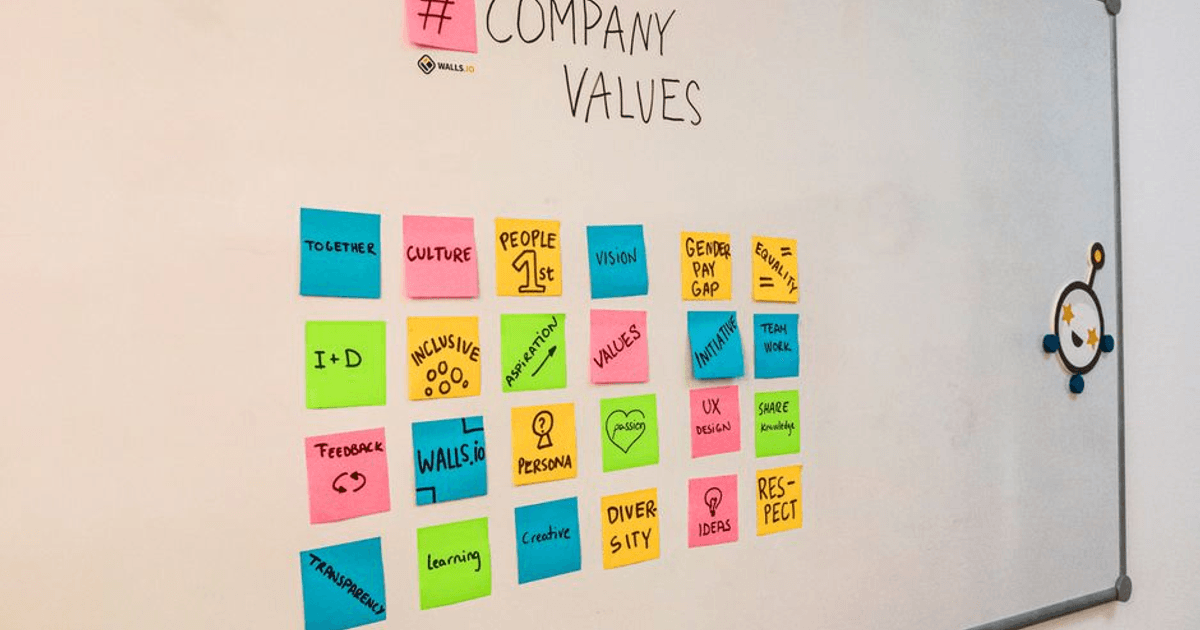
You hired for speed. Now Slack never sleeps, top performers update LinkedIn quietly, and "how we do things" lives in ten veterans' heads. Cultural debt compounds invisibly: toxic high performers tolerated, feedback ignored, AI workflows automating broken rituals faster than you can fix them.
Codifying culture is not a poster. It is making norms operable: incentives, rituals, decision rights, and attention boundaries people can follow without decoding hallway lore. Speed and culture are not opposites when you document the minimum, realign rewards, and cut sludge before you automate it.
Leaders often fear that writing culture down will slow decisions. The opposite happens when MVC is honest: decisions speed up because people know who decides, how conflict escalates, and what "done" looks like. Ambiguity taxes every meeting; clarity pays it back.
Toxic high performers are a cultural debt item. Tolerating them teaches that output buys exemption from norms. MVC without enforcement is a poster. Incentives and consequences must match the document, or tenured rule-breakers become the real curriculum.
#Minimum Viable Culture (MVC)
Document current behaviors honestly: how decisions happen, how conflict is handled, what gets rewarded, how failures are treated. That is the baseline, not aspirational values copied from a famous company.
Then execute three moves:
- Re-align incentives: Promotions and bonuses must match stated norms. If you reward firefighting, you will get fires.
- Surface friction: Retros, skip-levels, lightweight pulse on role clarity and recovery time. Rising entropy precedes attrition spikes.
- Reset once: Leaders model the reset publicly; half-measures fail. Every ~50 headcount, norms break. Plan MVC refresh at those gates instead of waiting for crisis.
Tip. Run a sludge audit: list approvals, tools, and meetings that exist "because we always did." Remove before you automate. AI agents encode sludge permanently.
#Cognitive boundaries and manager authority
Role ambiguity drains working memory. The Cognitive Work Design lens suggests attention policies: deep-work blocks, batched notifications, single source of truth for priorities. Protect recovery or rumination follows people home.
Line managers need decision rights, feedback scripts, and permission to say "good enough" to prevent burnout. Training without authority change fails. Manager-as-coach minimum is not a workshop. It is scope clarity and escalation paths that work.
Rituals that stick beat posters: weekly demo days, blameless postmortems, public credit for cross-team wins. Rituals must be scheduled, not "when we have time."
#Deputize carriers and signal through exits
Pick respected ICs across functions to carry norms, not HR alone. Organic change beats another all-hands slide deck nobody references.
Offboarding teaches culture louder than onboarding decks. How exits are handled, alumni relationships, and boomerang paths signal whether people are assets or disposable. First-week experience should match MVC on paper: buddy assignment, clear first deliverable, explicit decision rights. Broken onboarding undoes codification.
#Governance is the container
MVC without spend controls and compliance milestones becomes wishful thinking. Phase culture work with Delegation of Authority and headcount-indexed legal checklists. See labor compliance for SMBs.
Culture norms must match input-driven performance reviews. What you reward in ratings is the real culture. If reviews praise collaboration but promote solo heroes, employees learn the truth.
Before deploying HR agents or workflow automation, refactor underlying process. Automation multiplies cultural debt when norms are unclear. See HR tech bottlenecks.
#Scale breakpoints and AI without sludge
Every roughly fifty headcount, informal norms break. New managers import old habits; veterans assume newcomers "should just know." Schedule MVC refresh at those gates: document decision rights, meeting load, and what "urgent" means now.
AI workflows automate whatever you give them. If approvals are vague and rituals conflict, agents encode the conflict permanently. Run the sludge audit before automation: remove duplicate sign-offs, kill status meetings that report what dashboards already show, align incentives before you script prompts.
Pulse lightly on role clarity, recovery time, and willingness to raise problems (optional but predictive). Rising entropy precedes regretted attrition. Act on signals with scope changes, not pizza parties.
#Operational checklist for MVC rollout
- One-page MVC drafted from actual behaviors, not aspirational values
- Incentive audit: one promotion or bonus decision compared to stated norms
- Sludge audit list with one approval or meeting removed this month
- Attention policy pilot on one team (deep-work blocks, notification batches)
- Cultural carriers named in at least two non-HR functions
- First-week onboarding steps compared to MVC, one gap closed
- Optional pulse on role clarity and recovery time baselined
- Governance phase gate linked to governance for high-growth SMBs
- AI or automation project paused until one broken ritual is fixed
Cultural debt is invisible until attrition spikes. Entropy metrics are early warning, not HR vanity.
#Rituals, recovery, and the ~50 headcount gate
Weekly demo days, blameless postmortems, and public credit for cross-team wins outperform slogans when they are scheduled, not squeezed into spare minutes. Rituals encode values in time allocation; people believe what calendars protect.
Recovery is not wellness theater. Attention policies (deep-work blocks, batched notifications, a single priority stack) protect cognitive capacity so conflict and creativity do not happen only after hours. Burned-out teams codify cynicism faster than any consultant deck.
At roughly fifty headcount, informal norms fracture. Plan MVC refresh at that gate: re-document decision rights, meeting load, urgency definitions, and manager authority. Waiting for a crisis converts culture work into exit interviews.
#What to do this week
- Write one page of MVC for a single team: how decisions and conflict actually work today.
- List one incentive mismatch (promoted behavior vs stated norm) and fix or stop saying the norm.
- Remove one approval or meeting from the sludge audit.
- Assign cultural carriers in two functions outside HR.
- Compare first-week onboarding steps to MVC. Close one gap.
#Incentives are the real curriculum
Bonuses, promotions, and who gets airtime in all-hands teach culture louder than slides. Run one incentive audit this quarter: compare three recent promotion decisions to MVC statements. If the mismatch is obvious, fix rewards before the next town hall. People already knew the truth.
Culture work is never finished. MVC is a living document when incentives, rituals, and decision rights change with scale. Revisit after reorganizations, leadership changes, and major customer wins or losses.
Link MVC refresh dates to headcount plans so People Ops schedules culture work before norms fracture, not after exit interviews pile up. Schedule the refresh before the next headcount gate, not after the attrition spike.
#Related guides
Sources
- Hellauer, S., Kos, S., Vermoote, J., Sadarangani Werner, S., & Wright, B. J. (2026). Leading After the Founder. Harvard Business Review, January–February 2026.
This article is operational education only, not legal advice. Work with qualified counsel for compliance, compensation, and termination decisions in your jurisdiction.